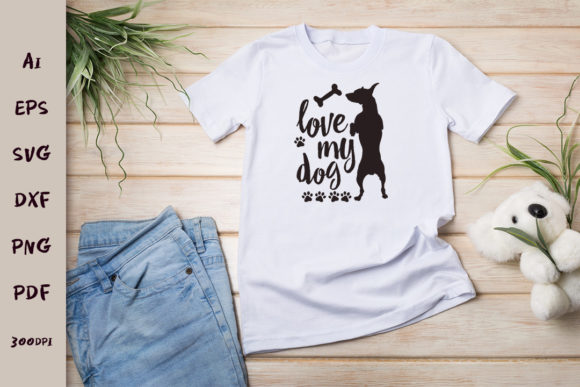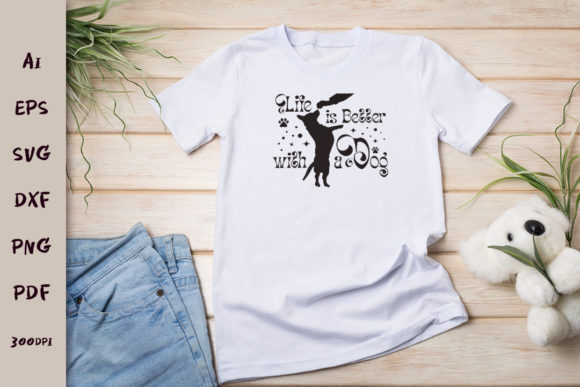
Life is Better with a Dog. SVG
A Designer’s First Look: Warm, Simple, and Ready for Stitching
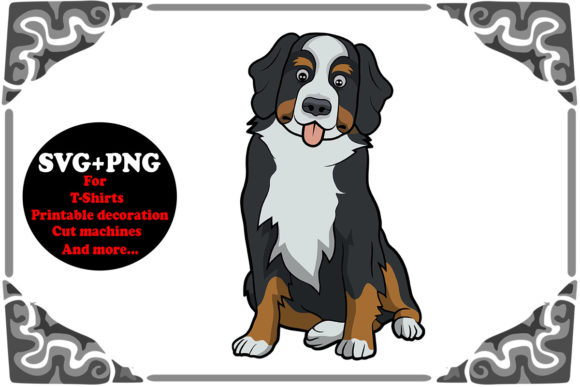
When I opened Life is Better with a Dog. SVG, my first thought wasn’t “cute”—it was “usable.” The illustration carries an easygoing charm without visual clutter: clean lines, balanced negative space, and a gentle curve in the lettering that suggests movement, not rigidity. It reads as friendly and sincere—not saccharine or overdesigned. That matters when you’re stitching it onto a baby onesie or embroidering it on a linen tea towel for a boutique shelf. As an embroidery designer who’s seen hundreds of dog-themed files, I appreciate how this one avoids tiny collars, overly detailed paws, or cramped script that collapses under satin stitch.
Real Project Test: A Custom Embroidered Tote for a Local Pet Rescue Fundraiser
Last week, I used Life is Better with a Dog. SVG to create embroidered canvas totes for a small animal rescue’s holiday fundraiser. I converted the vector into a machine embroidery design using standard digitizing practices—no auto-digitize shortcuts—and stitched it on medium-weight natural canvas with tear-away stabilizer. The result? Crisp edges, even lettering, and a dog silhouette that held its shape without puffing or bleeding. Customers responded immediately—not just to the sentiment, but to how clearly it read from three feet away. That’s the quiet strength of this file: it translates well from screen to stitch without demanding perfection from your machine or fabric.
Where It Shines (and Where It Needs Care)
Life is Better with a Dog. SVG works especially well for:
- Custom apparel like sweatshirts and crewneck tees—its moderate width fits comfortably across the chest or upper back without crowding seams;
- Tote bag design and aprons, where readability at arm’s length matters more than fine detail;
- Baby embroidery on burp cloths or bibs—its rounded forms soften the look without sacrificing clarity;
- Holiday embroidery and personalized gifts, where warmth and sincerity outperform trendiness;
- Small shop product branding, especially when paired with minimal packaging or printable mockups.
But it’s not universally effortless. On stretchy fabric like cotton jersey, I recommend basting or light cut-away stabilizer beneath the hoop—those smooth curves can shift mid-stitch if the base moves. On dark fabric, test thread colors early: light ecru or oatmeal works beautifully, but stark white can look harsh unless balanced with tone-on-tone fill stitch. And while the design avoids ultra-thin lines, avoid shrinking it below 3.5 inches wide—it starts losing legibility in the tail of the “g” and the inner ear curve.
What This Design Says About Your Finished Product
Using Life is Better with a Dog. SVG subtly elevates your handmade product. It doesn’t scream “handmade” through texture or chaos—it says it through restraint and intention. That builds customer trust: buyers recognize thoughtful curation, whether they’re purchasing from your Etsy shop or picking up a pillow cover at a craft fair. For Etsy sellers and creative entrepreneurs, that consistency helps reinforce brand voice across listings—especially when paired with cohesive photography and simple, warm copy. It also reads well in digital embroidery file previews: no pixelation, no jagged edges, no awkward spacing between words and icon. That professionalism carries through to your buyer’s unboxing moment—and their willingness to tag you online.
Practical Embroidery Designer Notes Before You Stitch
Before committing to a full run, do these five things:
- Test on scrap fabric—especially if using textured weaves like terry cloth or linen blends;
- Check thread color contrast on both light and dark backgrounds using physical swatches, not just screen previews;
- Review stitch density in your embroidery software—look for areas where fill stitch might overlap running stitch outlines, particularly around the dog’s snout and the lower curve of the “d”;
- Confirm hoop size compatibility—this design scales cleanly, but always verify your largest dimension fits within your machine’s max hoop before finalizing;
- Inspect small details in black-and-white mode: does the dog’s eye remain distinct? Does the tail separate cleanly from the letterform? If not, adjust underlay or reduce density slightly.
Also remember: this is a digital embroidery file built from vector art—not a pre-digitized applique design or ready-to-stitch PES file. You’ll need to digitize it yourself or work with a digitizer. Since the product description mentions only an AI file and “1 S” (likely EPS or SVG), confirm format compatibility with your workflow. And if you plan to sell finished products commercially—or resell the design assets—review licensing terms carefully. Nothing derails a craft business faster than an unclear usage agreement.
Final Thought: A Quiet Workhorse, Not a Flashy Gimmick
Life is Better with a Dog. SVG won’t win awards for technical complexity—but it doesn’t need to. It’s a grounded, versatile illustration that supports your embroidery project instead of competing with it. Whether you’re a seasoned apparel decorator building a holiday collection or a hobbyist stitching gifts for friends, this file respects your time, your machine, and your audience’s expectations. It belongs in the category of Graphics that serve function first—and feeling second. And in embroidery, where every stitch carries weight, that balance is rare, valuable, and deeply practical.