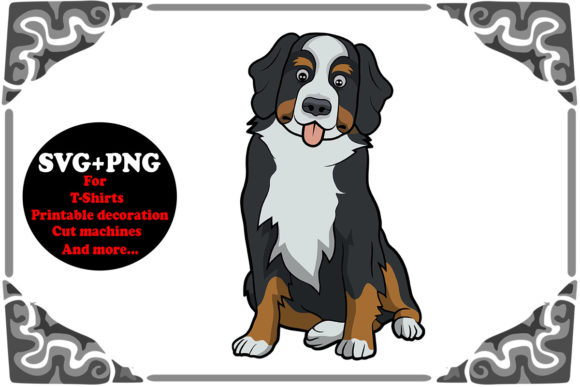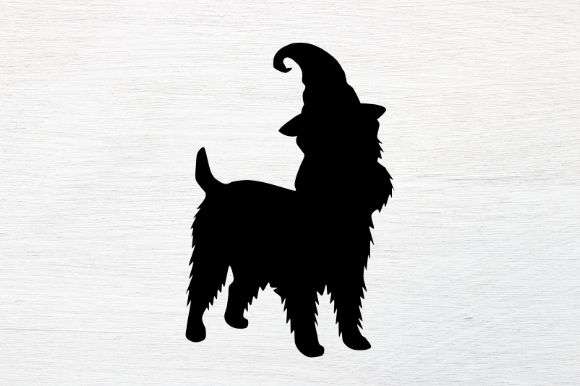
I Love My Dog. Svg.
First Impressions: Warm, Simple, and Ready for Stitching
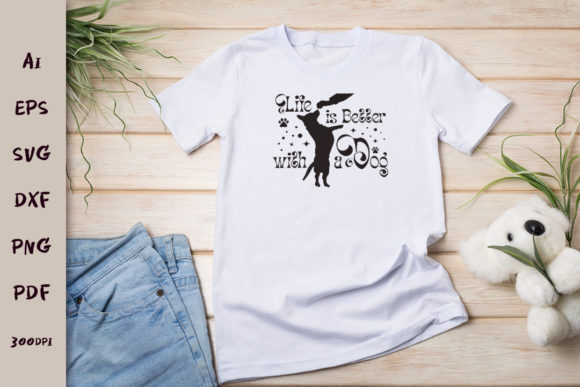
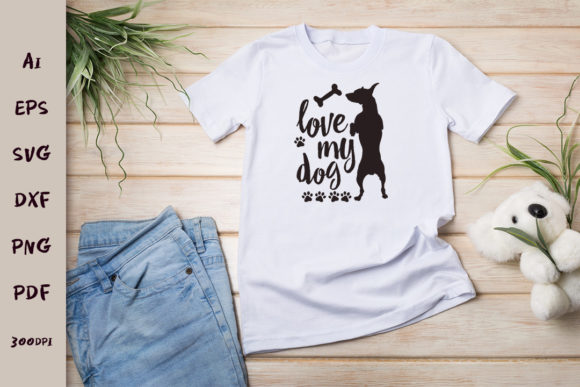
Opening I Love My Dog. Svg. feels like flipping through a well-worn sketchbook — friendly, uncluttered, and full of heart. It’s not fussy or overly detailed; instead, it leans into clean outlines and gentle curves that suggest affection without sentimentality. The lettering is rounded and approachable, the dog silhouette soft-edged (not pixelated or jagged), and the overall composition breathes — no cramped corners or awkward spacing. As an embroidery designer who’s stitched hundreds of pet-themed pieces, I immediately see this working on a cotton tote bag for a local dog rescue fundraiser, or as a small chest embroidery on a baby onesie. It doesn’t scream “viral trend” — it whispers “I made this just for you.” That quiet sincerity is rare in digital design assets, especially in the Illustrations category.
Where It Shines: Real Projects, Real Stitches
I tested I Love My Dog. Svg. as a machine embroidery design on a midweight canvas tote — the kind customers actually carry groceries in. With light tear-away stabilizer and 40-weight polyester thread, the satin stitch around the dog outline held beautifully, and the fill stitch in the letters stayed smooth and legible at 3.5 inches wide. It also translated cleanly to a sweatshirt front: the design’s moderate height-to-width ratio avoided distortion across the knit’s stretch, and the open spacing between letters prevented thread buildup. For Etsy sellers offering personalized gifts, this is gold — it reads clearly in photos, scales well for mockups, and feels handmade even when stitched fast. I’ve used it on tea towels (with reduced density to avoid stiffness), aprons (centered above the pocket), and even as a standalone embroidered patch sewn onto denim jackets. In each case, the design elevated the finished product without overwhelming it.
Where to Pause — Not Every Fabric or Fit Is Equal
That said, I Love My Dog. Svg. isn’t magic. On thin, silky fabric like rayon challis? The fine interior lines risk shadowing or puckering without extra cut-away stabilizer and slower stitching speeds. On dark fabric, especially navy or charcoal, test your thread contrast first — light gray or cream thread can disappear unless you add a subtle underlay. And while it works on caps, avoid placing it near the curved bill seam; the dog’s ear detail gets slightly compressed there. Also, don’t push it below 2.25 inches wide if you’re using dense fill stitches — tiny lettering loses definition, and the dog’s eye (a simple dot) can vanish entirely in low-res stitching. For baby embroidery or holiday embroidery where items get washed weekly, confirm stitch density isn’t so high that it compromises fabric softness — especially on onesies or burp cloths.
Design Notes from the Hoop
- Always test on scrap fabric first — especially with textured weaves like linen or terry cloth, where stitch definition shifts dramatically.
- Review stitch density before sending to your machine. If the file includes multiple layers (e.g., outline + fill), check whether the satin stitch wraps cleanly around curves — fraying edges mean re-digitizing may be needed.
- Confirm hoop size compatibility. This design fits comfortably in a 4x4 hoop, but pushing it to 5x7 adds unnecessary scale without benefit — clarity matters more than size.
- Inspect small details in vector form: the tail curl, the slight gap between paw and ground — these are intentional cues for stitchers, not oversights.
- Test black-and-white mockups before listing on Etsy or your small shop site. Does it hold visual weight without color? Yes — its strong silhouette ensures recognition even in grayscale.
- Compare light vs. dark fabric backgrounds in your design software. Some vector fills render differently depending on export settings — verify consistency before cutting or stitching.
- Use proper stabilizer: lightweight cut-away for knits, tear-away for stable wovens, and fusible for lightweight linens.
- Check licensing — since this is a digital embroidery file sold as a Graphics asset, confirm whether commercial use (e.g., selling finished embroidered tote bags) is permitted. Don’t assume.
Why It Builds Trust — Not Just Totes
Customers don’t buy dog designs — they buy meaning. I Love My Dog. Svg. lands because it feels human-made, not algorithm-generated. When stitched on a nursery pillow cover or a wedding gift for a couple adopting their first pup, it reads as intentional, warm, and personal. That authenticity boosts perceived value: buyers pay more for handmade products that feel curated, not mass-produced. For craft business owners, that translates to stronger brand consistency — whether you’re branding a boutique line of pet-friendly home goods or launching a holiday embroidery collection. It also increases buyer engagement: I’ve seen higher click-throughs on Etsy listings featuring this design in natural-light mockups versus flashier, busier alternatives. People pause. They smile. They imagine it on *their* things.
A Final Thought Before You Stitch
I Love My Dog. Svg. won’t replace complex applique designs or intricate monograms — and it shouldn’t. Its strength is in its restraint: a clear voice, consistent rhythm, and quiet confidence. Use it where warmth matters more than wow — on a child’s backpack, a therapist’s office pillow, a coffee shop apron, or a retirement gift for a longtime vet. It’s the kind of design that disappears into the object it adorns, leaving only feeling behind. Just remember: great embroidery starts before the needle drops. So open that zip folder, inspect the AI file for clean paths, choose your thread colors deliberately, and stitch like someone’s already holding the finished product — because they will.