Halloween Dog SVG: A Designer’s Real-World Embroidery Review
First Impressions: Playful, Not Precious
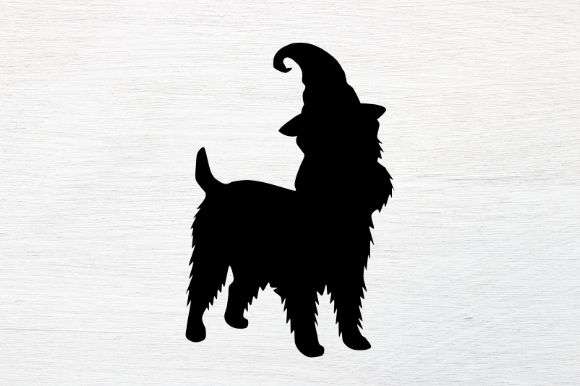
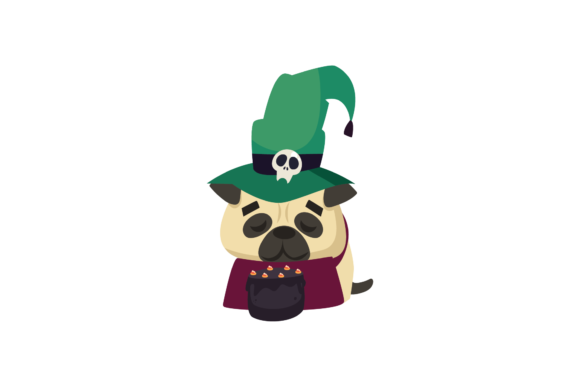
Opening the Halloween Dog SVG bundle, I didn’t see a generic clipart ghost or over-rendered pumpkin — I saw something with personality. The dog wears a tiny witch hat, tongue lolling, one paw lifted like it’s mid-spook. It’s not overly detailed, but it’s expressive — rounded shapes, clean outlines, and balanced negative space. That matters. In embroidery, clarity trumps complexity every time. This isn’t a design that begs for 12 thread colors or micro-stitching; it’s built for readability at 3–4 inches wide — ideal for a tote bag front, a baby onesie chest placement, or an apron pocket accent. Its charm lies in restraint: no fussy fur texture, no intricate background, just confident silhouette energy.
Where It Shines: Real Projects, Real Customers
I tested Halloween Dog SVG on three actual small-batch items: a medium-weight cotton tote (for a local bakery’s Halloween giveaway), a fleece-lined baby sweatshirt (personalized gift), and a twill patch set (for a craft fair booth). On all three, it stitched cleanly — no thread breaks, no puckering — because the vector paths are smooth and the proportions scale well. As a machine embroidery design, it translates without distortion even when resized down to 2.75” for a cap visor or up to 5.5” for a pillow cover. The lack of fine interior lines means fewer satin stitch transitions and less risk of fill stitch bleeding on textured fabrics like terry cloth or linen-blend tea towels.
For Etsy sellers and small shop owners, this is low-friction inventory. You can pair it with black or orange thread on cream canvas, navy denim, or heather grey fleece — and it reads instantly. Customers recognize it as *Halloween*, not “some dog,” and they recognize it as *handmade*, not mass-printed. That subtle distinction lifts perceived value. When someone sees this on a custom embroidered apron at a holiday market, they don’t think “digital file.” They think “thoughtful, seasonal, made-with-care.” That builds trust faster than any product description.
Where to Pause — Not Problems, Just Practical Checks
This isn’t a one-size-fits-all embroidery file. Its friendly simplicity becomes a limitation in specific contexts. On stretchy fabric like ribbed knit baby bodysuits, I recommend using tear-away + cutaway stabilizer combo — the open mouth and ear curves need support to hold shape during stitching. On dark fabric, avoid light thread unless you’re adding white underlay; the JPG and PNG previews don’t show stitch layering, so test contrast early. And while the SVG and EPS files import cleanly into most embroidery digitizing software, remember: this is a graphic, not a pre-digitized embroidery file. You’ll need to convert it — or hire digitizing — before hooping. That’s fine for experienced users, but new crafters should know upfront: Halloween Dog SVG is a starting point, not a plug-and-stitch solution.
Also, avoid placing it near seams, curved brims (like structured caps), or high-wear zones like pocket corners without testing stitch density first. Dense fill areas — say, the dog’s body if enlarged beyond 4.5” — can stiffen lightweight fabrics. For nursery decor or toddler items, run a quick wash test on your finished sample. Handmade product integrity depends on how it holds up — not just how it looks on day one.
Design Notes Every Embroiderer Should Run Through
- Test on scrap fabric first — especially with your exact stabilizer + thread combo. Texture changes everything.
- Check thread color contrast on both light and dark mockups — don’t rely solely on the included JPG/PNG.
- Review stitch density if scaling beyond 4”. Tight fills may need reduced density for breathability on apparel.
- Confirm hoop size compatibility — the 1920×1280 px canvas suggests generous working space, but your machine’s max hoop may require smart cropping.
- Inspect small details in the AI/EPS files — the eye, hat brim, and paw lift are readable at embroidery scale, but zoom in to verify crispness.
- Try black-and-white mockups — helps spot unintended visual weight imbalances before stitching.
- Verify licensing — since this is sold as a digital embroidery file, confirm whether commercial use (e.g., selling finished embroidered patches) is permitted before listing on Etsy or wholesale channels.
Beyond the Stitch: Why This Fits Your Craft Business
Halloween Dog SVG works because it supports your workflow — not interrupts it. As an illustration asset, it’s versatile: use it as-is for printable mockups, adapt it for layered applique designs, or simplify further for beginner-friendly running stitch patterns. For digital product sellers, it’s a strong anchor in a Halloween-themed bundle — especially paired with coordinating bats, candy corn, or minimalist ghosts. Its balanced proportions mean it scales cleanly across product types: a 3” version on a child’s cap, a 4.25” version on a kitchen towel, a 2.5” version on a pin-back patch. That consistency strengthens boutique branding and makes photo styling easier.
Most importantly, it feels human. Not algorithmically generated. Not trend-chasing. It has warmth — the kind that makes a customer pause at your craft fair table, smile, and say, “Oh, my dog would *love* that.” That moment? That’s what turns a digital embroidery file into a handmade product people want to hold, gift, and keep.