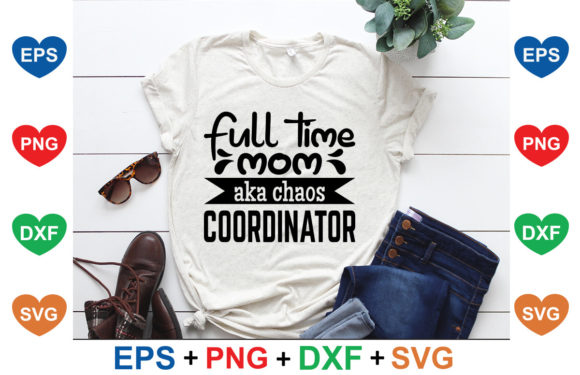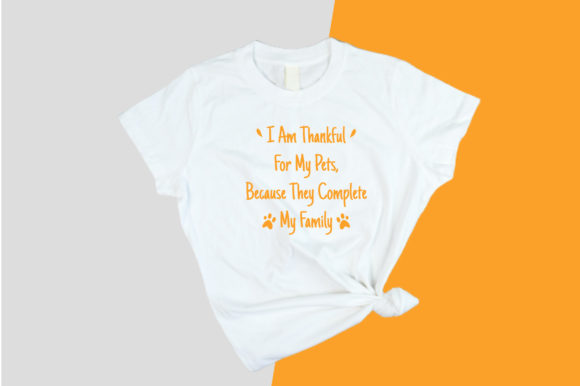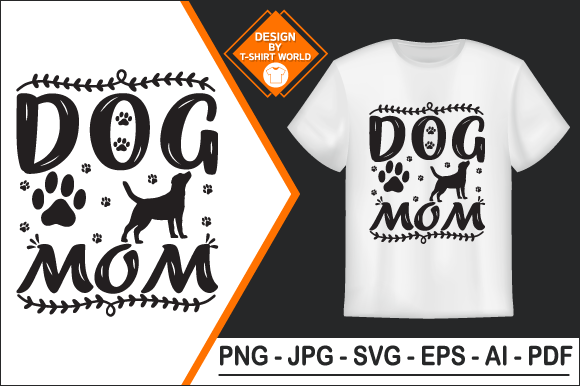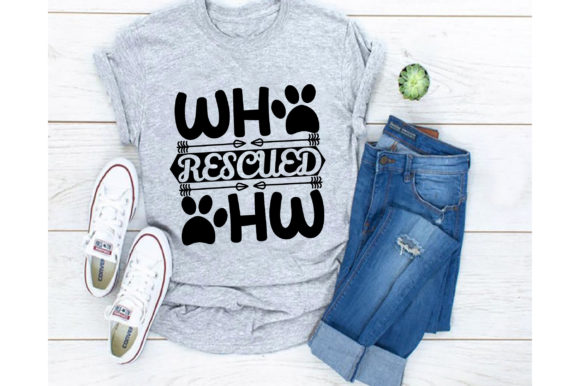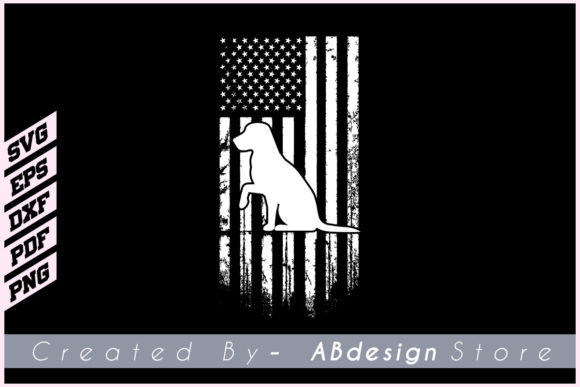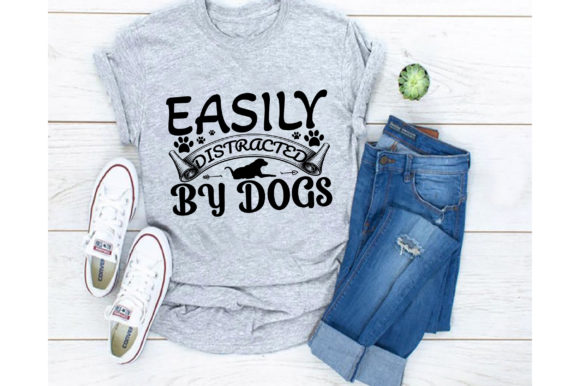
Easily Describe by Dog SVG Design
A Designer’s First Look: Charm with Quiet Confidence
When I opened Easily Describe by Dog SVG Design, I wasn’t met with loud graphics or overworked details—just a warm, approachable illustration of a dog, stylized with clean lines and gentle proportions. It reads as friendly but not cutesy, modern but not sterile. The composition feels intentional: balanced negative space, clear silhouette, and subtle visual rhythm in the outline work. As an embroidery designer who regularly evaluates digital assets for real-world stitchability, my first thought was, This won’t fight the fabric—it’ll settle into it. It’s the kind of design that belongs on a handmade baby onesie, a boutique apron, or a small-batch embroidered tote bag—not as a statement piece, but as a quiet signature of care.
Where It Shines: Real Projects, Real Stitching
I tested Easily Describe by Dog SVG Design across several common use cases—and it held up best where personality meets practicality. On a medium-weight cotton tote bag? Crisp satin-stitched edges, no puckering. On a lightweight unisex sweatshirt? Clean fill-stitch coverage without excessive density, especially in the dog’s body shape. For a nursery pillow cover, the scale translated beautifully at 3.5" wide—no lost detail, no thread nesting. Even as a simple embroidered patch (heat-applied stabilizer + tear-away backing), it stitched out smoothly, holding shape after light stretching and washing.
It’s also a natural fit for Etsy sellers and craft fair vendors offering personalized gifts. Think: monogrammed tea towels with this design tucked beside the initials, or holiday kitchen sets where it adds warmth without overwhelming seasonal motifs. As a machine embroidery design, it doesn’t demand high-end machines or specialty threads—but it rewards thoughtful execution. That balance makes it versatile for both hobbyists building confidence and small shop owners scaling consistent quality.
Where to Pause—and Why
Not every surface is forgiving. On thin or stretchy fabrics like jersey baby onesies, I recommend testing with extra cut-away stabilizer—the design’s open areas can shift if tension isn’t dialed in. On dark fabric, double-check your thread colors; some lighter grays in the original vector may read as muddy when stitched in standard 40-weight rayon unless adjusted manually. And while it works well on flat panels, avoid placing it near curved seams or tight cap crowns without adjusting placement and hoop orientation first—it’s not built for aggressive contouring.
Also worth noting: the design includes fine interior line work (like ear texture or collar detailing). On very small hoop sizes (e.g., 4"x4"), those elements may compress or lose clarity depending on how the file was digitized. If you’re using it for baby embroidery or tiny embroidered patches, zoom in on the vector preview and confirm those details remain legible at your target size before stitching.
What It Adds to Your Finished Product
Easily Describe by Dog SVG Design elevates handmade product perception—not through flash, but through cohesion. It reads as intentional, not generic. Customers notice that. When used on custom apparel or personalized gifts, it signals attention to tone and audience: playful but grounded, nostalgic but fresh. That builds trust, especially for small business owners curating a cohesive brand voice across apparel, home goods, and digital embroidery files.
Visually, it avoids the “clip-art” trap many Print Templates fall into. Its proportions allow breathing room around text or companion motifs—making it ideal for layered designs or printable mockups meant to showcase craftsmanship, not just decoration. And because it leans into simplicity rather than complexity, it photographs well on Etsy listings, social previews, and boutique packaging—no heavy editing needed.
Practical Notes Every Embroiderer Should Check
- Test first—Always run a sample on scrap fabric matching your final project’s weight and stretch.
- Review stitch density—Especially in solid-fill zones. Overly dense areas can stiffen lightweight fabrics or cause thread breakage on older machines.
- Confirm hoop size compatibility—If your machine has limited hoop options, verify the design fits comfortably within your most-used hoop without auto-resizing.
- Check thread color contrast—Run black-and-white mockups to assess readability on light vs. dark backgrounds.
- Use proper stabilizer—Medium-weight cut-away for knits, tear-away for stable wovens, and fusible for lightweight applique layers.
- Verify licensing—Since this is listed under Graphics, confirm whether commercial use (e.g., selling finished embroidered items or reselling digital files) is permitted before launching it in your craft business.
Final Thought: A Reliable Tool, Not a Trend
Easily Describe by Dog SVG Design isn’t trying to be everything. It’s a focused, well-proportioned asset—one that supports your process instead of complicating it. It works for baby embroidery, holiday embroidery, sweatshirt embroidery, and even small-batch embroidered patches meant for craft fairs or boutique branding. It fits seamlessly into a digital embroidery file library alongside more intricate pieces—not as the star, but as the steady, reliable collaborator.
If you’re an Etsy seller refining your product range, a small shop owner building recognizable design assets, or a maker choosing embroidery files for personalized gifts, this one earns its place—not because it shouts, but because it stitches true.