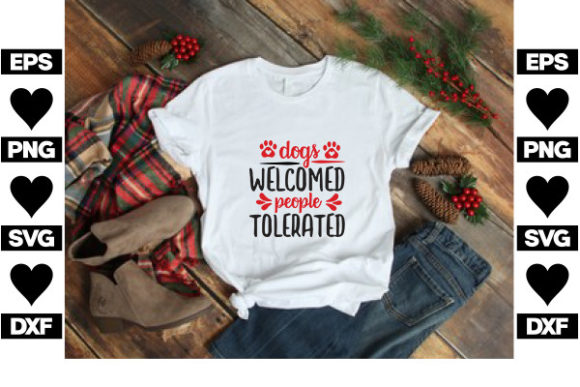
Dogs Welcomed People To: A Real-World Embroidery Review
As someone who’s stitched hundreds of custom pieces—from boutique aprons to baby onesies and Etsy bestsellers—I opened Dog, SVG Design, Dogs Welcomed People to expecting charm. What I found was something more nuanced: a friendly, slightly rustic silhouette that reads warmly at a glance but demands thoughtful execution to shine in real embroidery.
I tested it on a natural cotton tote bag for a local pet-friendly café—intended as staff gifts and retail extras. The design landed right in the sweet spot between approachable and intentional: no overwrought details, no forced cuteness, just clean lines and quiet confidence. That matters. When you’re stitching for small businesses or gifting handmade items, first impressions are tactile and visual—not just “cute dog,” but “this feels made with care.”
First Stitch, First Impression
The layout is horizontal, centered, and lightly asymmetrical—the dog sits left-of-center with “Dogs Welcomed People To” curving gently beneath. It’s not tight or cramped; there’s breathing room. That spacing becomes critical when embroidering on textured fabrics like canvas totes or looped terry cloth tea towels. No overcrowded lettering. No tiny, stitch-hungry paws or whiskers. Just a confident outline and legible, medium-weight sans-serif text—ideal for satin stitch or clean fill stitch execution.
Mood-wise? It leans gentle, inclusive, and quietly proud—not playful, not formal, not sarcastic. Think nursery wall art meets coffee shop branding. That versatility is rare. I’ve seen similar designs fall flat on sweatshirts (too thin), vanish on dark denim (low contrast), or blur on baby knitwear (overly dense). This one avoids those traps by design—not accident.
Where It Shines (and Where It Needs Guardrails)
Shines on:
- Tote bags & aprons: The horizontal flow matches natural garment grain and hoop orientation. Minimal repositioning needed.
- Cotton or linen tea towels & pillow covers: Clean lines hold up beautifully on stable, low-stretch weaves—even with moderate wash cycles.
- Baby items (onesies, burp cloths): As an embroidered patch or direct-stitch design, its open shapes reduce bulk and irritation.
- Holiday or housewarming gifts: Feels personal without being overly specific—works for dog lovers, new homeowners, or cozy cottagecore branding.
Use carefully on:
- Stretchy knits (t-shirts, raglan sleeves): The text baseline isn’t optimized for stretch recovery. Always use cutaway stabilizer—and test stitch density first. Too much fill stitch can pucker.
- Curved surfaces (caps, beanies): The horizontal span may require reworking into a vertical or arched variant unless your hoop accommodates wide, shallow layouts.
- Dark or heavily textured fabrics: While the SVG includes PNG previews, thread color contrast is *everything*. On charcoal fleece or burlap-look canvas, light tan or oatmeal thread won’t read. Stick to high-contrast combos: navy + cream, black + mustard, charcoal + white.
- Small hoops (4”): You’ll likely need to resize or simplify the text line. Don’t force it—clarity trumps fidelity.
Design Integrity Meets Commercial Reality
What makes Dog, SVG Design, Dogs Welcomed People to stand out isn’t novelty—it’s restraint. In a market flooded with hyper-detailed, multi-layered machine embroidery designs, this one respects the limits of thread, fabric, and human attention. That directly affects perceived value: customers notice clean edges, even tension, and legibility after washing. They don’t see “SVG file”—they feel craftsmanship.
For Etsy sellers and small shop owners, that translates to fewer returns, better reviews (“stitched so nicely!”), and repeat buyers who trust your eye. For craft fair vendors, it’s a conversation starter—not because it’s flashy, but because it feels *true*. And for commercial embroidery shops? It’s a reliable mid-tier design: quick to digitize (if converting from SVG), easy to scale, and adaptable across product categories without redesign.
Practical Designer Notes Before You Stitch
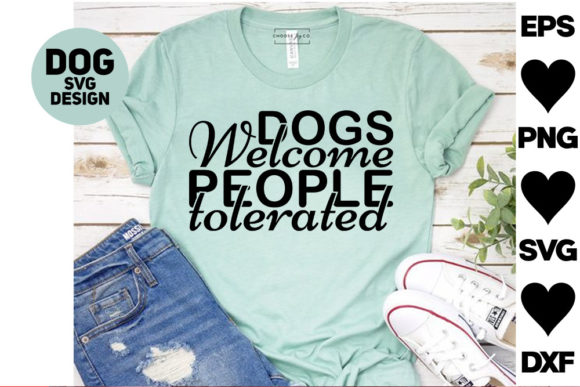
This isn’t a “drag-and-drop-and-done” file. Even though it comes in EPS, SVG, PNG, and DXF formats, treat it like raw material—not finished embroidery code. Here’s what I do every time:
- Test on scrap fabric first—same fiber, same weight, same stabilizer as your final piece.
- Check thread color contrast in both daylight and indoor lighting. A mockup looks different under café lights vs. kitchen fluorescents.
- Review stitch density in your embroidery software. If the dog outline uses heavy satin stitch, consider switching to running stitch for breathability on baby items.
- Confirm hoop size compatibility before prepping production runs—especially if using multi-position hoops for larger batches.
- Inspect corners and curves at 200% zoom. Does the tail taper cleanly? Do letters maintain consistent stroke weight?
- Test black-and-white mockups—it reveals balance issues no color preview catches.
- Compare light/dark fabric backgrounds using your actual thread palette—not just screen colors.
- Use appropriate stabilizer: tear-away for stable cottons, cutaway for knits, lightweight fusible for delicate linens.
- Verify licensing before selling finished products or digital embroidery files. The ZIP includes multiple vector formats—but commercial rights aren’t implied by format alone.
Bottom line? Dog, SVG Design, Dogs Welcomed People to earns its place in a working designer’s library—not as a novelty, but as a thoughtful, adaptable, and quietly professional asset. It doesn’t shout. It welcomes. And in embroidery, where every stitch carries intention, that’s exactly what makes it last.