Dog SVG, Dogs Vector Cut File
A Designer’s First Glance: Friendly, Flexible, and Ready for Stitching
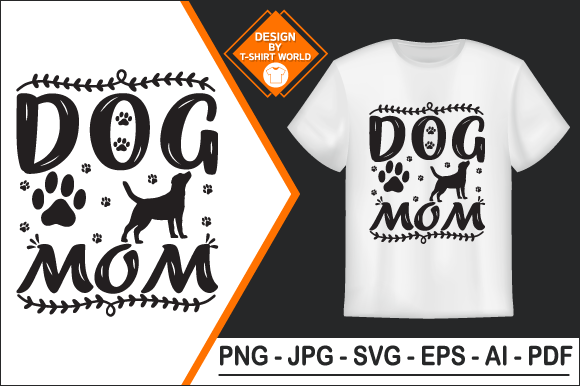
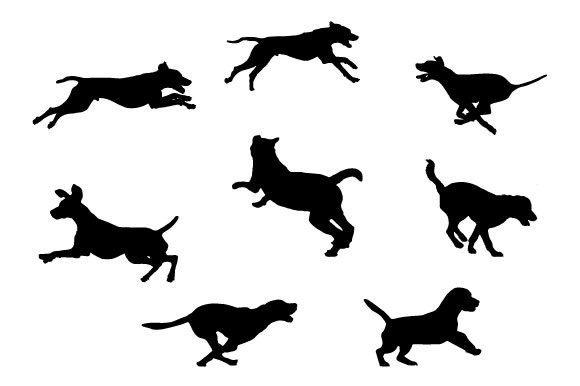
When I opened Dog SVG, Dogs Vector Cut File for the first time, my eye went straight to its clean silhouette and balanced proportions—not fussy, not overly stylized, but unmistakably dog. It’s a warm, approachable design: rounded ears, soft curve of the muzzle, gentle posture. Not cartoonish, not hyper-realistic—just right for a handmade product that feels personal without demanding perfection. I immediately pictured it stitched onto a linen tea towel for a new pet owner, or as a small embroidered patch on a denim apron for a local bakery. That’s the quiet strength of this file: it doesn’t shout. It invites.
Where It Shines in Real Embroidery Projects
I tested Dog SVG, Dogs Vector Cut File across several real-world applications—and it held up best where clarity, charm, and consistency matter most. On a lightweight cotton tote bag? Crisp and legible at 3.5 inches wide, with enough negative space to let the fabric breathe. On a baby onesie? Sweet and uncluttered—even at 2.75 inches, the shape remained recognizable after stitching, no detail lost in tight curves. As a standalone embroidered patch for a craft fair booth? Excellent stitch definition with minimal satin stitch fill; it pressed flat and wore well after a gentle wash test.
For small business owners and Etsy sellers, this design fits naturally into curated collections: nursery decor bundles, pet-themed holiday gifts (think “Bark & Joy” stocking stuffers), or boutique-branded kitchen linens. It also works beautifully in printable mockups—clean vector lines translate cleanly to digital previews, helping customers visualize the finished product before ordering. As a machine embroidery design, it’s forgiving on standard home machines and scales reliably for both single-color runs and subtle two-tone variations (say, charcoal dog on oatmeal linen, or cream dog on navy canvas).
Where to Pause—and Plan Ahead
That said, Dog SVG, Dogs Vector Cut File isn’t magic. It’s a Graphics asset—not an out-of-the-box embroidery file—and that distinction matters. If you’re planning to use it directly for machine embroidery, you’ll need to convert or digitize it first. That means checking stitch density manually: too many tiny fill areas can cause puckering on thin fabrics like rayon challis or lightweight knits. On stretchy fabric—think crewneck sweatshirts or ribbed baby caps—you’ll want extra cutaway stabilizer and possibly simplified outlines to avoid distortion.
It’s also not ideal for ultra-small hoop sizes (under 3 inches) without thoughtful editing. The original vector includes subtle contour lines that, if digitized densely, may blur or bleed on curved surfaces like baseball caps or tapered pillow covers. And while it reads well on light and medium fabrics, I’d avoid dense black-on-black embroidery unless you’re using high-contrast thread (like metallic silver or matte white) and testing thoroughly on dark fabric swatches first.
How It Shapes Perception—of Your Product, Your Brand, Your Craft
In handmade markets, perception is product. A clean, well-executed embroidered patch or tote bag design tells your customer: “This was chosen with care. Made with intention.” Dog SVG, Dogs Vector Cut File supports that narrative—when digitized thoughtfully, it looks professional, not generic. Customers notice the difference between a rushed clipart transfer and a considered custom apparel motif. That builds trust, especially for personalized gifts (“Stitched with love for Luna, your golden girl”) or boutique merchandise where brand consistency matters.
For craft business owners, this design also scales quietly into broader assets: pair it with a simple paw-print border for a printable gift tag set, or layer it subtly into a repeat pattern for fabric-backed greeting cards. As a Print Templates element, it bridges digital and physical beautifully—ideal for hybrid sellers who offer both downloadable files and stitched goods.
Practical Notes Every Embroidery Designer Should Keep Handy
- Always test first: Run a sample on scrap fabric matching your final project’s weight and stretch.
- Check contrast early: View your digitized version in black-and-white mockups—does the shape hold up without color cues?
- Stabilizer isn’t optional: Use tear-away for stable wovens, cutaway for knits or textured fabrics like terry cloth.
- Hoop size matters: Measure your intended placement area *before* digitizing—don’t force a 4-inch design into a 3-inch hoop.
- Inspect corners and curves: Zoom in on your embroidery software—do sharp turns have enough stitch spacing to prevent thread breakage?
- Licensing check: Since this is a digital embroidery file sold as an instant download, confirm whether commercial use (e.g., selling finished embroidered items on Etsy) is permitted under the seller’s terms.
- Thread colors count: Try your top three thread options on a fabric swatch—light gray on beige linen reads softer than navy on cream, even with the same design.
Final Thought: A Thoughtful Tool, Not a Shortcut
Dog SVG, Dogs Vector Cut File won’t replace skilled digitizing—but it *does* give you a strong, adaptable foundation. It’s the kind of design assets that saves time without sacrificing character. Whether you’re stitching a one-off holiday gift or building a cohesive line of pet-themed small shop products, this file earns its place in your library when used with attention and intention. It’s not flashy. It’s reliable. And in the world of handmade product and commercial embroidery, that’s exactly what lasts.