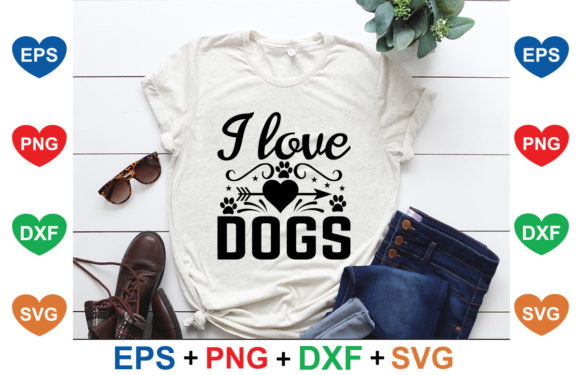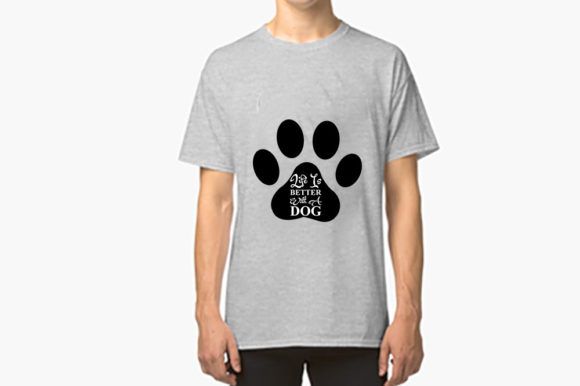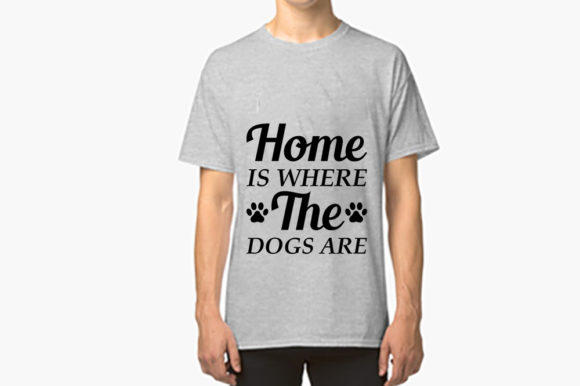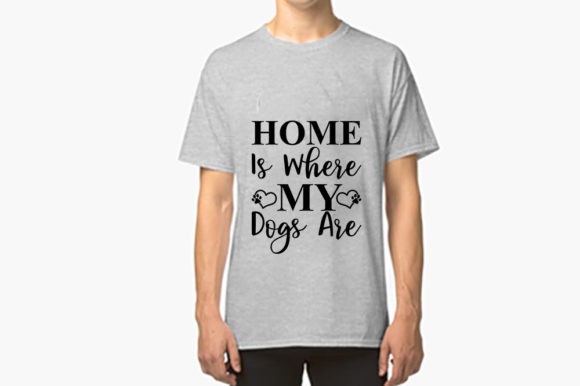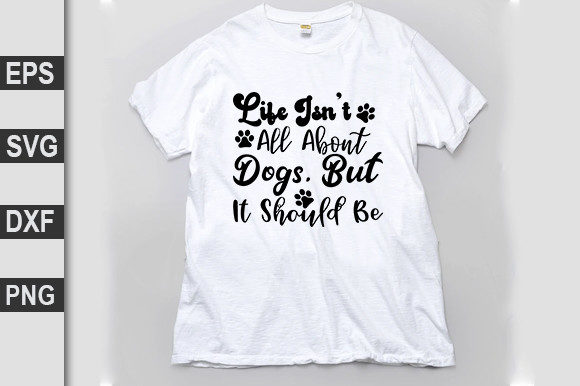
Dog SVG Design: Life Isn’t All About Dogs—but It Should Be
As a designer who’s digitized, stitched, and sold hundreds of embroidery files over the past 12 years—everything from nursery monograms to boutique sweatshirt collections—I opened Dog Svg Design, Life Isn’t All About Dogs but It Should Be expecting charm, not complexity. What I found was a quietly confident, well-proportioned graphic that lands somewhere between heartfelt and humorous—exactly the kind of design that resonates with dog lovers without tipping into cliché.
A First Stitch Tells You Everything
I tested it on a medium-weight cotton twill tote bag first—the kind I stock for local pet boutiques. The layout is clean: a centered, slightly rounded sans-serif phrase with subtle spacing, no extra flourishes or decorative borders. No dog illustration sits beside it, which is smart. This isn’t a clipart-style “dog + text” combo—it’s typographic storytelling with emotional weight. That makes it unusually versatile: it reads clearly at 3.5 inches wide (ideal for chest placement on adult tees), holds up at 2.25 inches (perfect for baby onesies), and still feels intentional when scaled down to 1.75 inches for a cap front.
Where It Shines—and Where It Needs Care
Dog Svg Design, Life Isn’t All About Dogs but It Should Be excels in custom apparel and handmade product contexts where tone matters more than ornamentation. On a heavyweight organic cotton sweatshirt? It stitches cleanly with moderate stitch density—no floaters, no thread nesting, and the letterforms stay crisp even across seams. As a tote bag design, it anchors the front without overwhelming; as an embroidered patch, it translates beautifully to heat-transfer vinyl backing or sew-on twill.
But here’s what I watched closely: the lowercase “i” dots and the thin crossbars in “Life” and “But.” On stretchy fabric like jersey knits or lightweight French terry, those fine strokes can blur if stabilizer isn’t layered thoughtfully. I used medium tear-away + light cut-away for my test on a toddler hoodie—and got sharp results. On dark fabric? The design’s open letter spacing helps readability, but I’d still recommend testing thread colors in both matte black and heather gray before committing to a full run.
Real-World Fit: Beyond the Hoop
Last month, I used this design for a set of holiday embroidered tea towels for a small kitchen-goods shop. We paired it with simple red-and-cream DMC thread on natural linen—no fill stitch, just clean satin and running stitch outlines. Customers responded immediately: “It’s not *just* cute—it feels like something you’d actually say out loud.” That authenticity lifts perceived value. It doesn’t scream “craft fair,” and it doesn’t whisper “generic stock graphic.” It sits comfortably in that sweet spot where personalized gift meets boutique branding.
For Etsy sellers and craft business owners: this is a strong candidate for bundled listings—pair it with a matching “Dog Mom” or “Rescue Love” design, or offer it in three thread palettes (neutral, festive, monochrome) as digital embroidery file add-ons. Its clean vector foundation (SVG, EPS, DXF included) also makes it easy to adapt for printable mockups or sublimation previews—no pixelation, no redraw needed.
What This Design Says About Your Brand
When customers see Dog Svg Design, Life Isn’t All About Dogs but It Should Be on your finished product, they’re not just seeing text—they’re sensing intention. It signals that you understand your audience’s voice, respect their emotional connection to pets, and prioritize clarity over clutter. That builds trust faster than any “handmade with love” tagline. In holiday embroidery or nursery decor, that tone becomes part of the gifting experience—not just decoration, but resonance.
Practical Notes Every Embroidery Designer Should Check
- Test on scrap first—especially if stitching on textured fabrics like terry cloth or looped cotton. Letter spacing stays generous, but dense pile can obscure fine strokes.
- Review stitch density before scaling beyond 4 inches. While the original file handles growth well, pushing too large may require manual density adjustment to avoid puckering on lightweight fabrics.
- Confirm hoop size compatibility. The design fits comfortably in a 4×4 hoop at standard sizing—but double-check your machine’s max width if planning larger placements.
- Inspect small details in your embroidery software: the dot over “i” and the curve of “g” are intentionally minimal. They’ll stitch cleanly on stable fabric, but may need slight enlargement for caps or curved surfaces.
- Use proper stabilizer: medium cut-away works best for knits; tear-away suffices for stable wovens like canvas or denim.
- Check licensing before selling finished items or digital embroidery file bundles. The ZIP includes EPS, SVG, PNG, and DXF—but commercial use rights aren’t stated in the product description, so verify before listing on Etsy or integrating into craft business workflows.
- Try black-and-white mockups to assess contrast and legibility. This design gains strength in monochrome—it’s built for versatility, not just color.
Final Thought: A Design That Earns Its Space
Dog Svg Design, Life Isn’t All About Dogs but It Should Be isn’t flashy. It doesn’t demand attention—it invites it. That’s rare in T-Shirt Designs and Graphics meant for real-world embroidery use. Whether you’re stitching baby embroidery for a new rescue parent, building a line of sweatshirt embroidery for a local dog-walking co-op, or curating holiday embroidery kits for makers, this file delivers quiet professionalism and emotional precision. It’s the kind of design that looks better after washing, holds up under wear, and keeps customers coming back—not because it’s trendy, but because it feels true.
If you’re evaluating it for your next project, ask yourself: does it match the voice of your brand, the expectations of your customers, and the physical reality of your fabric and machine? In my experience—with totes, tea towels, caps, and custom apparel alike—the answer has consistently been yes.